When Eyes Reveal More Than Vision – Retinal Imaging and Whole-Body Health
Seeing Beyond Vision: What Your Retina Can Tell You
Your eyes do far more than help you see. Modern medical research shows that the retina—the thin layer at the back of the eye—can act as a mirror for your overall health. With advanced imaging tools and artificial intelligence (AI), ophthalmologists can now detect early warning signs of systemic conditions such as heart disease, diabetes, and even dementia.
For Australians, where conditions like diabetes and hypertension are on the rise, this link between eye health and systemic disease is particularly important. In this article, Associate Professor Simon Skalicky, leading Melbourne ophthalmologist, explains how retinal imaging is transforming healthcare and why regular eye examinations could save more than just your vision.
Why the Retina Is a Window to the Body
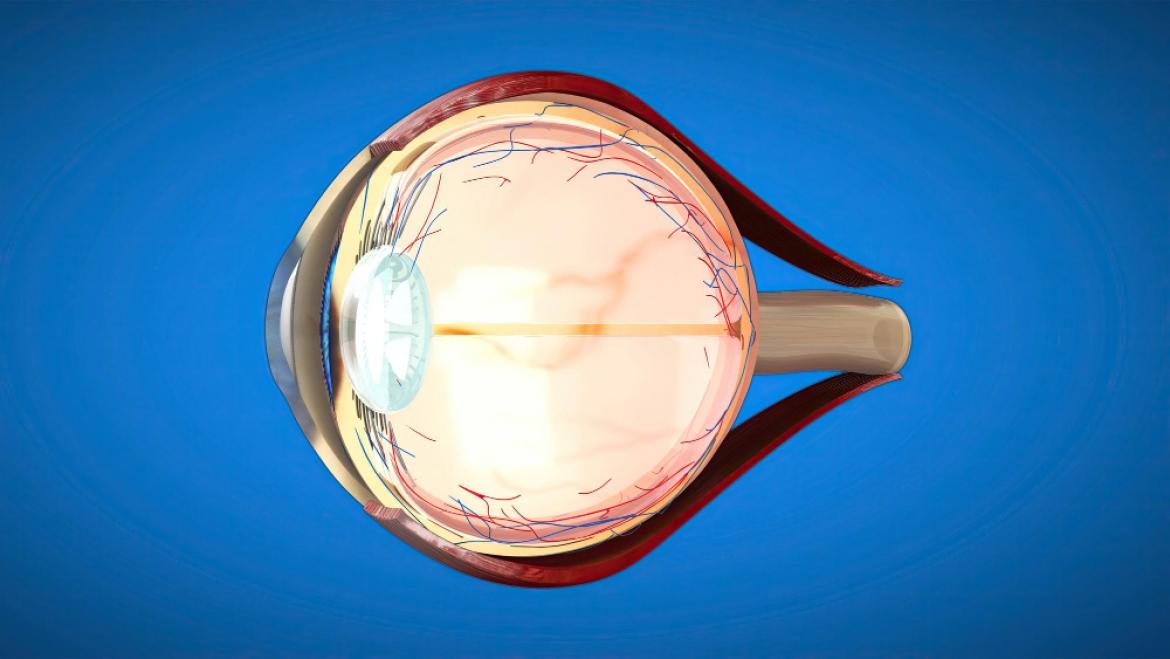
The retina gives eye doctors a clear view of your blood vessels and nerves, which makes it an important window into your overall health. Changes in this area can hint at cardiovascular disease, often seen when the retinal arteries look unusually narrow. They can also reveal signs of diabetes, such as tiny leaking vessels linked to diabetic retinopathy. Some early markers of neurological disorders, including Alzheimer’s and Parkinson’s, can appear in the retina as well. Even kidney disease may show up through subtle shifts in the retinal blood vessels. This is why regular eye checks can play a key role in keeping both your vision and your general health on track.
Advanced Retinal Imaging: OCT and Fundus Photography
Ophthalmologists now use technologies such as:
-
Optical Coherence Tomography (OCT): Produces cross-sectional images of the retina, revealing microscopic structural changes.
-
Fundus photography: High-resolution images of retinal blood vessels and optic nerve health.
These tools are non-invasive, quick, and painless, yet they offer powerful diagnostic information far beyond what a standard eye test can provide.
The Role of Artificial Intelligence (AI) in Retinal Screening
Artificial intelligence has enhanced retinal imaging by identifying subtle patterns linked to systemic disease long before symptoms appear. AI can estimate cardiovascular risk from retinal vessel shape, detect diabetes-related retinal changes and support wider screening through platforms like Eyeonic, which Dr Skalicky helped develop.
What This Means for Patients in Australia
For Australians over 40, living with diabetes or with a family history of cardiovascular or metabolic disease, these technologies offer an important chance to detect silent health issues early. A simple retinal scan can highlight concerns that may require lifestyle changes or treatment well before serious complications arise. Patients with diabetes can learn more about Diabetic Eye Disease, while those experiencing age-related changes may wish to explore information on Cataract Surgery and other common eye conditions.
Integrating Eye Health With General Health
Eye specialists are now collaborating more closely with general practitioners, cardiologists, and neurologists to ensure that eye exams are used as whole-body health check-ups. This integrated care model is paving the way for better prevention and earlier intervention.
FAQs: Retinal Imaging and Health
1. Can an eye test really detect heart disease?
Yes, advanced retinal scans can pick up changes in blood vessels that suggest cardiovascular risks such as hypertension.
2. How often should I have a retinal scan?
Most adults should undergo comprehensive eye exams every 1–2 years, or more frequently if they have diabetes, high blood pressure, or a family history of eye disease.
3. Is retinal imaging safe?
Yes. OCT and fundus photography are non-invasive, painless, and do not expose you to radiation.
4. Can retinal imaging prevent blindness?
Early detection of conditions such as glaucoma and diabetic retinopathy through retinal imaging significantly reduces the risk of permanent vision loss.
The Takeaway for Your Eye Health
Retinal imaging is redefining what it means to “check your eyes.” With advanced technology and AI integration, ophthalmologists can now uncover early signs of systemic disease, bridging the gap between eye care and general health.
If you’re over 40, living with diabetes, or simply due for a comprehensive eye exam, book an appointment with Associate Professor Simon Skalicky, Melbourne’s leading glaucoma specialist and cataract surgeon. Protecting your eyes might just protect your life.