Dry Eye Dilemmas: Causes, Cures and Comfort
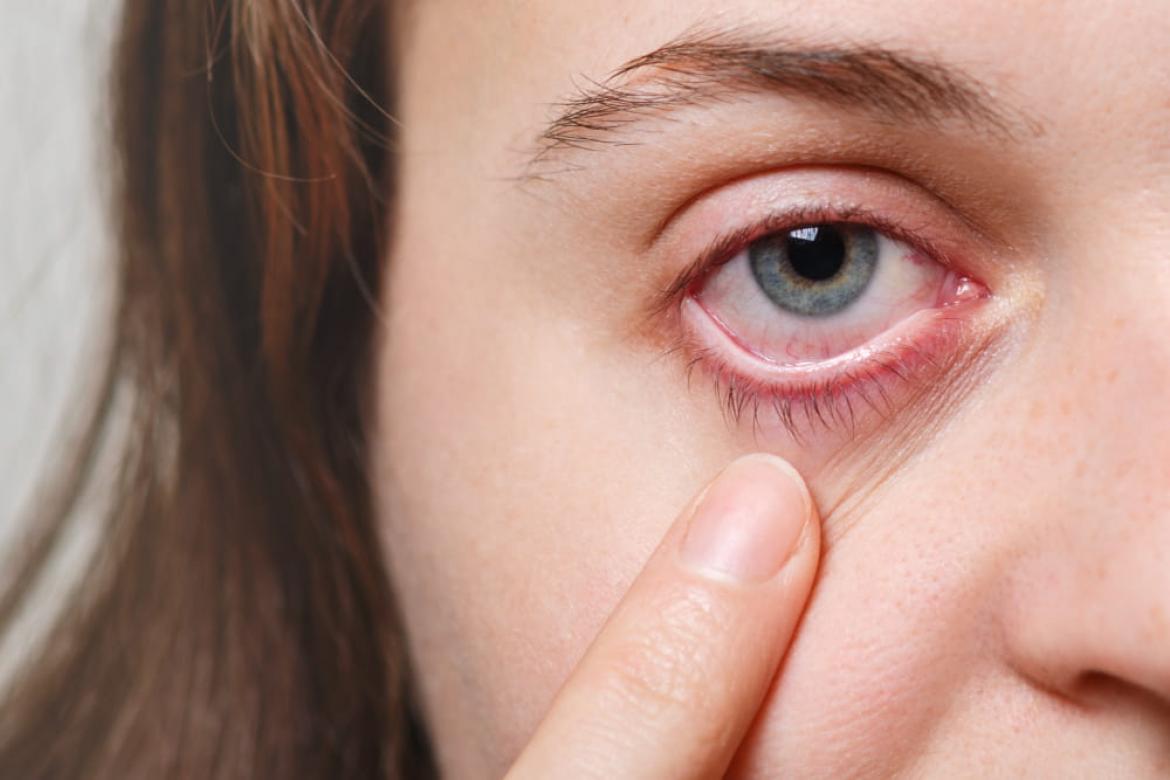
Dry eye is one of the most frequently reported eye complaints in clinical practice, yet it is also one of the most misunderstood. Many people dismiss persistent discomfort, irritation, or blurred vision as tiredness or screen fatigue, when in fact these symptoms may point to an underlying issue with the tear film. Consulting an ophthalmologist is often the clearest path to understanding what is happening and what can be done about it.
This article explains the common causes of dry eye, what the symptoms can look like, the range of available treatments, and when it is appropriate to seek specialist review.
What Is Dry Eye?
Dry eye disease occurs when the tear film fails to provide adequate lubrication across the surface of the eye. The tear film is a layered structure composed of a fatty oil (lipid) component, a watery (aqueous) layer, and a mucus layer, each playing a distinct role in keeping the ocular surface healthy, clear, and comfortable.
Disruption to any of these layers, whether through reduced tear production or excessive evaporation, can result in the discomfort and visual disturbance associated with dry eye. It is a chronic condition in many patients, requiring ongoing attention rather than a single episode of treatment.
Common Causes of Dry Eye
Several factors are known to contribute to the development or worsening of dry eye. Understanding these can help patients make sense of their symptoms and avoid triggers where possible.
Meibomian Gland Dysfunction
The meibomian glands are oil-producing glands located in the eyelids. When these glands become blocked or dysfunctional, the lipid layer of the tear film is compromised, causing tears to evaporate too quickly. Meibomian gland dysfunction (MGD) is among the most common contributors to dry eye disease.
Age and Hormonal Changes
Tear production naturally declines with age. Dry eye is particularly prevalent in adults over 50, and hormonal changes, including those related to menopause, can further affect the stability of the tear film.
Medications
A range of commonly prescribed medications can reduce tear production as a side effect. These include antihistamines, antidepressants, certain blood pressure medications, and some eye drops used in the long-term management of glaucoma. Patients taking these medications who notice new or worsening dry eye symptoms should raise this with their prescribing doctor.
Environmental and Lifestyle Factors
Air conditioning, heating systems, and low-humidity environments all increase evaporative tear loss. Prolonged screen use reduces the blink rate, which means tears are not being replenished as regularly as they should be. Smoke exposure, contact lens wear, and air travel are also commonly associated with exacerbation of symptoms.
Systemic Conditions
Autoimmune conditions such as Sjogren's syndrome, rheumatoid arthritis, and lupus are associated with significantly reduced tear production. Thyroid disorders and diabetes may also be contributing factors for some patients.
Previous Eye Surgery
Cataract surgery, laser refractive surgery, and other corneal procedures can temporarily affect the tear film. For most patients this resolves with time and appropriate management, but in some cases symptoms persist and require ongoing attention from an eye specialist.
Recognising the Symptoms
Dry eye does not always present as simple dryness. The symptom range is broader than many patients expect and includes:
-
A stinging, burning, or scratchy sensation in one or both eyes
-
A persistent gritty feeling, as though something is caught in the eye
-
Redness and irritation, particularly at the end of the day
-
Sensitivity to light
-
Blurred or fluctuating vision that may temporarily improve after blinking
-
Paradoxical watering, where reflex tearing occurs as a response to dryness-related irritation
-
Difficulty wearing contact lenses comfortably
-
Discomfort in bright or windy conditions
It is worth noting that pain around or within the eyes is commonly attributable to tear film instability and dry eye, rather than to raised intraocular pressure, which is generally painless. If you are experiencing ongoing eye discomfort, a thorough assessment by an ophthalmologist or eye specialist can help identify the source.
Treatment Options for Dry Eye
Treatment is tailored to the underlying cause and severity of the condition. There is no single approach that works for every patient, which is why accurate diagnosis matters.
Lubricating Eye Drops and Gels
For mild to moderate symptoms, over-the-counter lubricating drops, gels, and ointments form the foundation of management. Preservative-free formulations are generally preferred for regular use, as preservatives can themselves cause surface irritation with frequent application.
Eyelid Hygiene and Warm Compresses
Where meibomian gland dysfunction is a factor, warm compresses applied to the closed eyelids help to soften blocked secretions and improve oil flow across the tear surface. Regular gentle lid massage is often recommended alongside compresses.
Prescription Anti-inflammatory Drops
Chronic dry eye is frequently accompanied by inflammation of the ocular surface. Prescription anti-inflammatory eye drops, including low-dose topical corticosteroids and cyclosporine formulations, can help to address this component of the condition.
Punctal Plugs
Small plugs can be inserted into the tear drainage ducts (puncta) to slow the drainage of tears from the eye surface. This approach helps retain naturally produced tears for longer and can be an effective option for patients with moderate to severe dry eye.
In-Clinic Treatments
For patients with significant meibomian gland dysfunction, in-clinic treatments including intense pulsed light (IPL) therapy and thermal pulsation procedures can provide targeted improvement. These are generally offered through specialist eye clinics following a detailed assessment.
Lifestyle Adjustments
Reducing screen time, increasing blink frequency during computer use, using a humidifier in air-conditioned environments, staying well hydrated, and wearing wraparound sunglasses outdoors can all contribute meaningfully to symptom management.
When to See an Eye Specialist
Mild, infrequent dry eye symptoms can often be managed with lubricating drops and simple environmental adjustments. However, a consultation with an ophthalmologist or eye specialist is appropriate in the following circumstances:
-
Symptoms are persistent or worsening despite over-the-counter management
-
Vision is regularly affected, even temporarily
-
There is significant pain, redness, or sensitivity to light
-
Dry eye is thought to be related to a systemic condition or current medication
-
Symptoms began or worsened following eye surgery
An ophthalmologist is equipped to carry out a detailed assessment of the tear film and ocular surface, identify contributing causes, and recommend a treatment plan suited to your specific presentation.
Getting the Right Assessment
Dry eye is a manageable condition for most patients when the underlying cause is properly identified. What is not helpful is relying solely on lubricating drops when the root cause, whether MGD, systemic illness, medication side effects, or something else, has not been properly assessed.
Dr Simon Skalicky is a specialist ophthalmologist consulting at Eye Surgery Associates in East Melbourne and Malvern, with a broad clinical background in ophthalmic assessment and management. If you are experiencing ongoing dry eye symptoms and would like a comprehensive eye examination, speak to your GP or optometrist about a referral to an eye specialist. A valid referral from a GP, optometrist, or another specialist is required for consultation.
To enquire about appointments, contact the practice on (03) 9509 4233 or visit drsimonskalicky.com.au.