AI & Multimodal Diagnostics in Ophthalmology – The Next Frontier of Eye Care
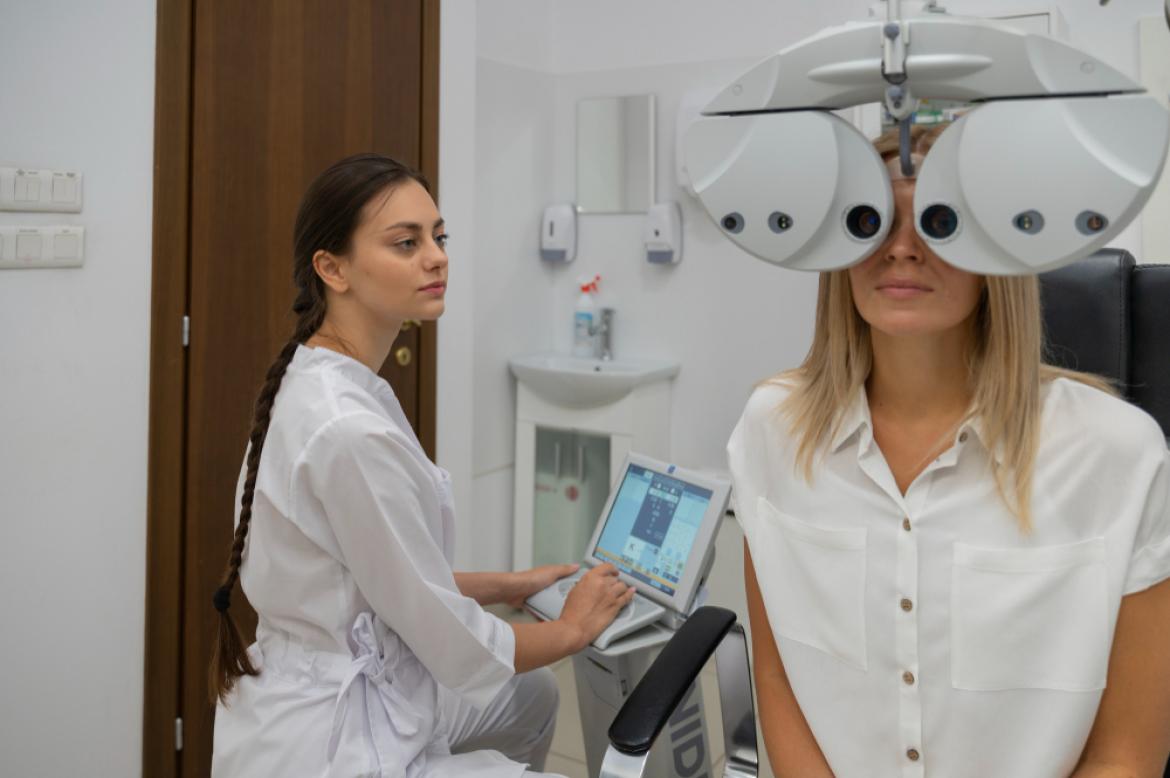
AI and the Future of Eye Care
Artificial Intelligence (AI) is reshaping nearly every aspect of modern healthcare, and ophthalmology is no exception. For decades, diagnosis of eye conditions has relied on a combination of imaging tests, clinical examination and patient-reported symptoms. Now a new approach known as multimodal diagnostics powered by AI is changing the way we detect, track and treat eye diseases.
By integrating different streams of data, from retinal imaging to patient medical history, AI-driven systems are helping ophthalmologists like Associate Professor Simon Skalicky deliver earlier, more precise, and more personalised care.
In this article, we explore what multimodal AI means for patients, how it is being applied to conditions such as glaucoma, cataracts, and diabetic eye disease, and why Melbourne is well-placed to lead in this exciting future of eye care.
Why Traditional Diagnostics Have Limitations
Eye conditions such as glaucoma are often called “silent” diseases because they cause little or no symptoms in their early stages. Traditional tests, such as intraocular pressure measurement and visual field testing, are useful but sometimes detect disease only once significant damage has already occurred.
Similarly, cataracts and retinal conditions may progress unnoticed until daily life is affected. Relying on a single test or measurement can therefore limit the ability to catch problems early.
This is where multimodal AI comes in and offers a layered approach that combines different sources of information for a more complete picture of eye health.
What Is Multimodal AI in Ophthalmology?
Multimodal AI systems analyse data from multiple diagnostic tools simultaneously. Instead of just looking at one image or one test result, the system integrates:
-
Optical Coherence Tomography (OCT): Detailed cross-sectional scans of the retina.
-
Fundus photography: Wide-angle images of the back of the eye.
-
Angiography: Imaging of blood flow in the retina.
-
Visual field testing: Functional assessment of peripheral and central vision.
-
Patient history: Including age, family history, diabetes, or systemic health.
By combining these, AI algorithms can detect subtle patterns that human clinicians may miss, identifying disease earlier and predicting which patients are most at risk of progression.
Key Applications of AI & Multimodal Diagnostics
1. Glaucoma
-
AI can analyse optic nerve changes across OCT scans, fundus photos, and visual field data simultaneously.
-
This improves detection of glaucoma at earlier stages, when interventions such asSelective Laser Trabeculoplasty (SLT) or Minimally Invasive Glaucoma Surgery (MIGS) may be most effective.
2. Cataracts
-
Automated image analysis can determine cataract density and predict whencataract surgery will likely be required.
-
AI can also suggest surgical planning strategies tailored to each patient’s anatomy.
3. Diabetic Eye Disease
-
Combining retinal scans with systemic health data helps flag diabetic retinopathy before patients notice symptoms.
-
AI tools are particularly valuable in rural and remote Australian communities, where access to ophthalmologists is limited.
4. Macular Degeneration
-
By integrating angiography and OCT imaging, AI can detect early leakage or changes in the macula, guiding treatment with injections before vision loss occurs.
Benefits for Patients
For patients, the advantages of multimodal AI are clear:
-
Earlier detection: Catching eye disease before irreversible damage occurs.
-
Personalised care: Treatment tailored to your risk profile and progression.
-
Reduced unnecessary tests: More accurate predictions mean fewer repeat visits.
-
Accessibility: AI-supported tools like Eyeonic (co-developed by Dr Skalicky) bring screening to communities that lack traditional eye care facilities.
Challenges and Considerations
While the potential is enormous, there are challenges:
-
Data diversity: AI must be trained on scans from varied populations to avoid bias.
-
Clinical adoption: Doctors must remain confident that AI supports rather than replaces judgement.
-
Privacy: Patient data security remains a top priority.
Associate Professor Skalicky is actively involved in ensuring these innovations are implemented responsibly, combining compassionate patient care with cutting-edge technology.
The Australian Advantage
Australia is uniquely placed to benefit from multimodal AI. With its vast rural regions and strong healthcare system, AI-supported tools can:
-
Expand access to eye care in remote communities.
-
Support early diagnosis in Indigenous populations, who face higher risks of diabetic eye disease.
-
Complement the expertise of leading surgeons in Melbourne, such as Dr Skalicky, who integrate technology with evidence-based treatment.
FAQs: AI & Eye Care
1. Will AI replace my eye doctor?
No. AI is a supportive tool, not a replacement. It enhances an ophthalmologist’s ability to detect and treat disease but cannot replace clinical expertise and patient care.
2. Is AI eye testing safe?
Yes. The imaging methods (OCT, fundus photos) are completely safe, non-invasive, and painless.
3. Can AI predict blindness?
AI can predict risk of disease progression, helping your doctor intervene early to prevent vision loss.
4. Will this technology be available in Australia soon?
Yes. Some AI tools are already being trialled in Melbourne and across Australia, particularly in glaucoma and diabetic eye screening programs.
The Takeaway for Your Eye Health
The fusion of AI and multimodal diagnostics represents a revolution in eye care. By combining imaging, data, and clinical expertise, ophthalmologists like Associate Professor Simon Skalicky are ensuring patients receive earlier, safer, and more tailored treatment.
If you’re concerned about glaucoma, cataracts or diabetic eye disease, don’t wait until symptoms appear. Book a consultation with Dr Skalicky, one of Melbourne’s leading specialists in glaucoma management and cataract surgery, and protect your sight for the future.